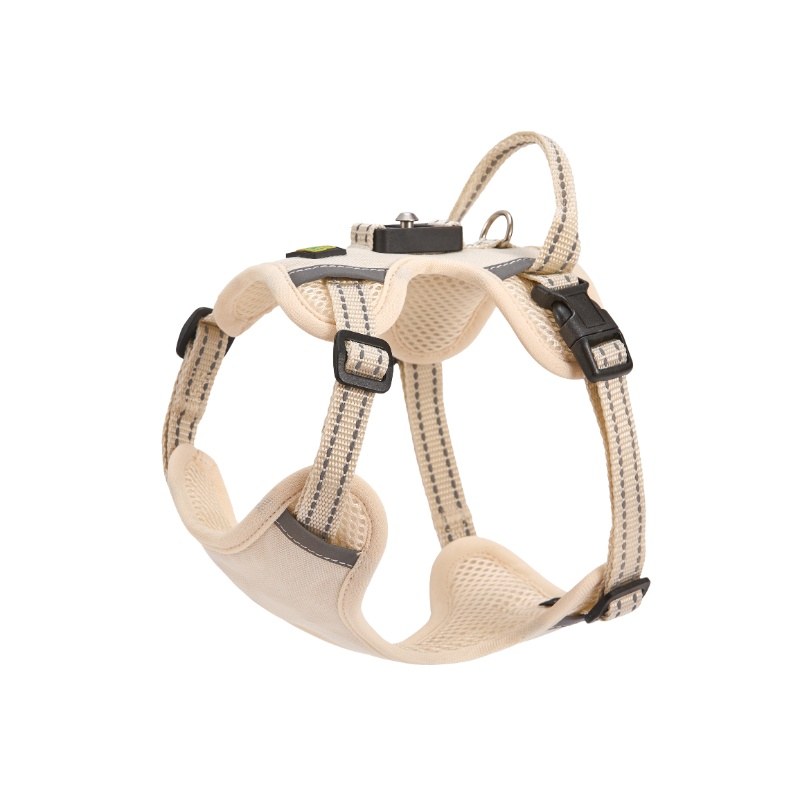
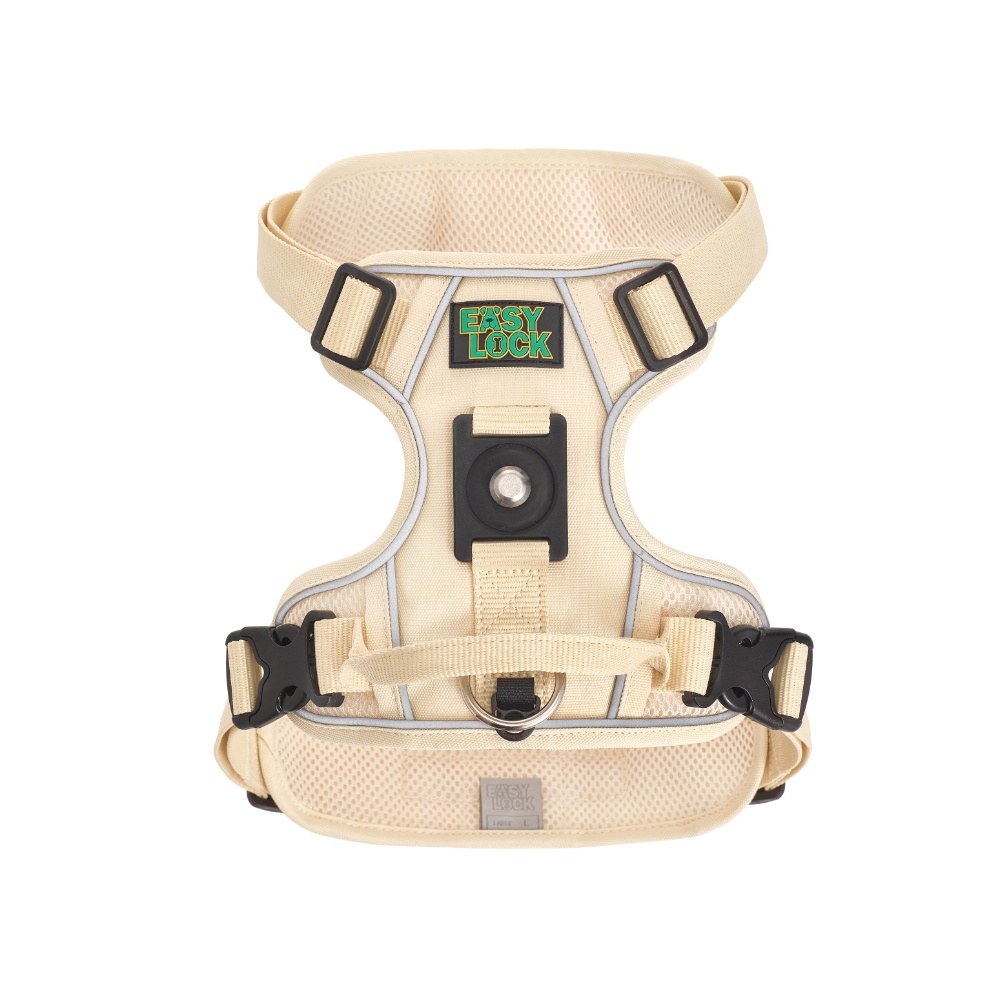
Quick Release Dog Harness Wholesale: What Importers Need to Know
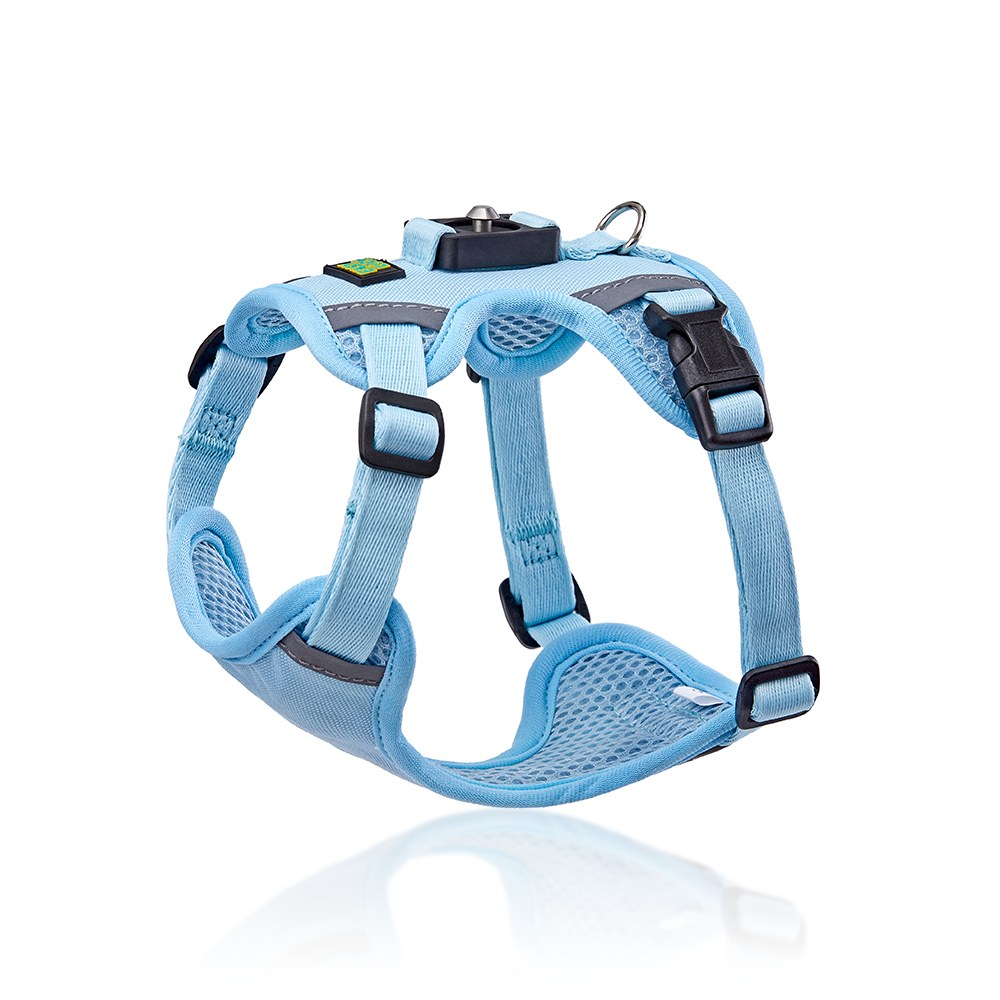
Importing quick release harnesses adds one risk that other harness categories do not carry: a mechanism with moving parts that must behave identically across reorders. Documents, batch control and a mechanism-specific inspection protocol are what keep that risk contained.
Wholesale importing of quick release dog harnesses depends on four controls: market-access documents, closure batch traceability, a mechanism-specific inspection protocol and packaging that matches the destination market. Miss the batch control and a single mechanism issue becomes a recall question instead of a lot question. Miss the documents and the container waits at the port while the season passes.
This guide follows the importer's sequence: which documents to collect before the container leaves, how batch control works on a product with a mechanism, the four inspection additions that catch what appearance checks miss, and the after-sales structure worth building before the first shipment. It closes with packaging, return drivers and the lead-time breakdown that tells you which stage will actually delay an order.
Documents to Collect Before the Container Leaves
Four document groups cover the usual import requirements, and all should be tied to the production lot rather than to a generic product family. Material declarations come first: REACH SVHC and RoHS for the European market and Prop 65 for California. These describe the goods, so a declaration from a prior year may not match a new bill of materials, which is exactly how a compliant shipment turns into a held one.
Textile evidence covers OEKO-TEX Standard 100 for skin-contact components, colourfastness to AATCC 61 or ISO 105, and abrasion data to ASTM D4966 on high-wear zones. Metal evidence covers substrate identification as AISI 304 or 316 wherever stainless is claimed, plus ASTM B117 salt-spray results on the assembled hardware rather than on a bare coupon. Performance records are the fourth group: static pull and loaded actuation results from the lot with the sample size stated, because a certificate from a development batch does not describe production.
Closure Batch Control Across Reorders
A mechanism product needs batch traceability that a sewn product does not. Each finished lot should reference the hardware batch used in assembly, and the purpose is narrow and practical: if a mechanism complaint appears six months after shipment, traceability identifies which orders share the batch. Without it, every shipment becomes a suspect and the only response available is replacement.
Ask how long production records are retained, and whether the hardware batch appears on the packing list. A supplier who cannot answer is likely assembling from mixed bins. For repeat orders, require the same closure part number and the same spring specification, because silent substitution between reorders is the most common cause of perceived inconsistency complaints.
Inspection Protocol for a Mechanism Product
Standard appearance inspection will not catch a closure problem, so the protocol needs four additions that can be run on site in under an hour. Actuation sampling comes first: press and release a set number of units per lot and note force variation, because a wide spread across units indicates inconsistent assembly rather than a design fault. A seating check follows, confirming the audible and tactile click on every sampled unit, since a closure that seats silently may be partially engaged.
A loaded check applies load to the strap and then actuates, where the release should not become noticeably harder or easier than at rest. The contamination spot check is the fourth and the most predictive: dip a few units in sand or salt water, dry, then repeat the actuation check. That single test reproduces the field condition that generates most mechanism complaints.
After-Sales Planning for Quick Release Dog Harness Wholesale
After-sales planning for quick release dog harness wholesale should be built before the first shipment, because a mechanism product generates questions that a sewn product does not. Define what counts as a mechanism fault and what counts as normal wear: actuation-force drift, incomplete seating and unexpected release are fault categories, while surface scuffing and strap-edge fuzz are wear. Without that definition, every scuff becomes a negotiation.
Keep a small stock of spare closures from the same hardware batch, because replacing a closure is faster than replacing a harness and batch matching prevents a repair from introducing a different feel. Record the hardware batch and the closure part number on every invoice line: the part number protects the specification while the batch protects the investigation, and those two fields decide whether a question arriving months later takes a day or a season to answer. Brief the service team on the actuation check as well, since most reported faults resolve once the closure is confirmed fully engaged rather than partially seated.
Transport stress is worth specifying for a mechanism product. Cartons stacked under load for weeks can press the housing against the strap and deform the actuator recess, which changes actuation force before the goods are even opened. Confirm the inner packing holds the closure clear of the carton wall, and on arrival check a carton from the bottom of the pallet rather than only the top layer.
Packaging and Market Entry
Packaging decisions carry regulatory weight in this category because the product invites safety claims. Label text needs care instructions, size marking and any regulatory statement the destination requires, and the care instruction is also a performance document: if the closure should not be machine washed, the label must say so. Claim wording should describe the mechanism rather than an outcome, since "quick release with one-hand actuation" is supportable while anything implying the product prevents injury is not.
Size marking legibility is the third item, because staff mis-sort when size is hidden inside the pack and mis-sorting produces wrong-size returns that are expensive to process. For e-commerce channels a hangtag that survives compression matters more than a display box, while for retail the hangtag hole must match standard fixtures.
What Drives Returns in This Category
Returns cluster around three causes, and two of them are preventable at the production stage. Fit complaints are the largest group and usually trace to a size curve built without measured chest-girth ranges, which is a planning failure rather than a product defect. Closure complaints are the second group — hard to press, will not seat, or releases unexpectedly — and they trace to actuation force spread, contamination tolerance or an unintended-release design fault.
Durability complaints are the third: strap edge wear, stitching failure at an anchor, or plating corrosion at contact points. All three are specification decisions made before production rather than accidents of assembly. Ask the supplier for return-reason data by category if it exists, because a supplier that tracks this can tell you which failure mode its product is most exposed to, which is more useful than a general quality claim.
Order Timing and Lead-Time Structure
Ask for lead time broken into stages: material, cutting, assembly, inspection and packing. A single number hides where the delay will actually occur, and for a mechanism product material lead time includes the hardware batch, which is often the longest item and the least visible in a quotation.
For repeat orders in existing colours, assembly usually dominates; for new colours, dyeing does. Planning against the wrong stage produces either excess buffer or a missed window. Place the first order against a locked specification and avoid mid-season hardware substitution, because the saving is small and the variability is not.
The EASY LOCK Position
EASY LOCK was founded in 2018 on more than 15 years of webbing manufacturing experience and supplies OEM and ODM programmes to customers in 15 countries. Webbing, closure and assembly sit in one facility, so hardware batch control and lot traceability are internal processes rather than supplier coordination. The closure platform is the fifth-generation EASYLOCK magnetic system: stainless steel quick-connect, one-hand release, 190kg+ pull testing and a patented Mag-Clip single-touch actuator, developed over three years with more than 100 rounds of material testing.
The range is listed on the product catalogue, with harness construction on the dog harness range page. Together they cover the format range and the construction details an importer usually asks about first.
Frequently Asked Questions
Q1: Do quick release harnesses need different import documents?
The document set is similar to other harness categories, but performance records matter more because the product contains a mechanism. Pull and actuation data should be lot-specific.
Q2: How can an importer verify batch consistency without a lab?
Retain a sealed sample from each lot and compare actuation feel against it on arrival. Force variation across units and drift between lots both show up in a simple press test.
Q3: Which single specification prevents most closure returns?
A stated actuation-force band with a defined drift limit after cycling. It forces the factory to control assembly consistency rather than only dimensional conformity.
Q4: Is a mixed order of two closure types advisable?
Only as separate SKUs with separate documentation. Mixing mechanisms inside one product line complicates spare parts, inspection and customer support.
Final Thoughts
Importing quick release dog harnesses at wholesale is a documentation and batch-control exercise as much as a purchasing one. Four document groups, one traceability rule and a short mechanism inspection protocol cover most of the exposure, and all three are cheaper to organise than to recover from. Lock the specification, retain a sealed sample and check actuation on arrival; more on hardware and material interaction is in our industry notes, and those habits are what make quick release dog harness wholesale importing predictable.
Import With the Batch Record
Tell us your destination market and volume. We will provide the document package, lot traceability format and inspection protocol before the first order.
Request the Import Document Pack