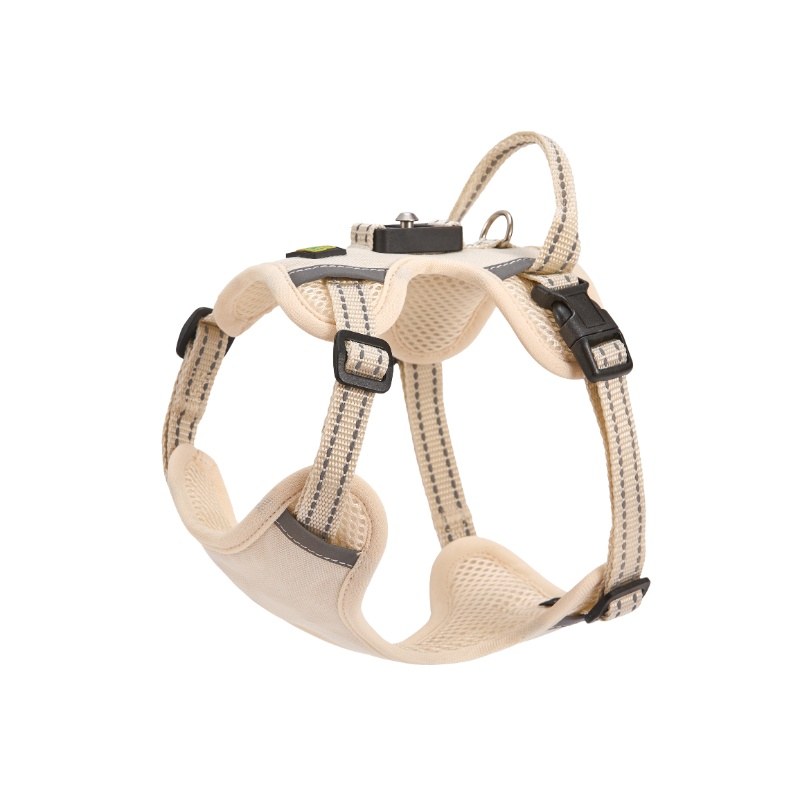
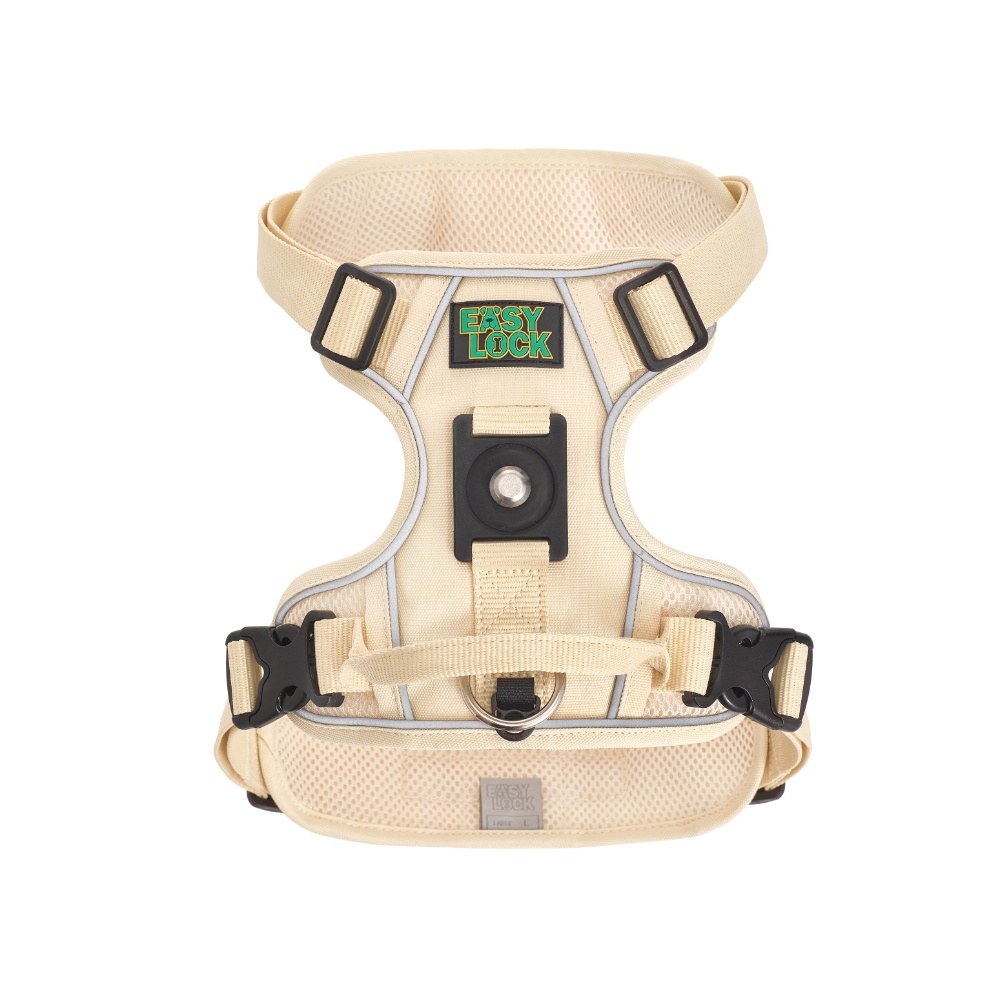
Magnetic Dog Harness Wholesale: A Buying Guide for Pet Brands and Distributors
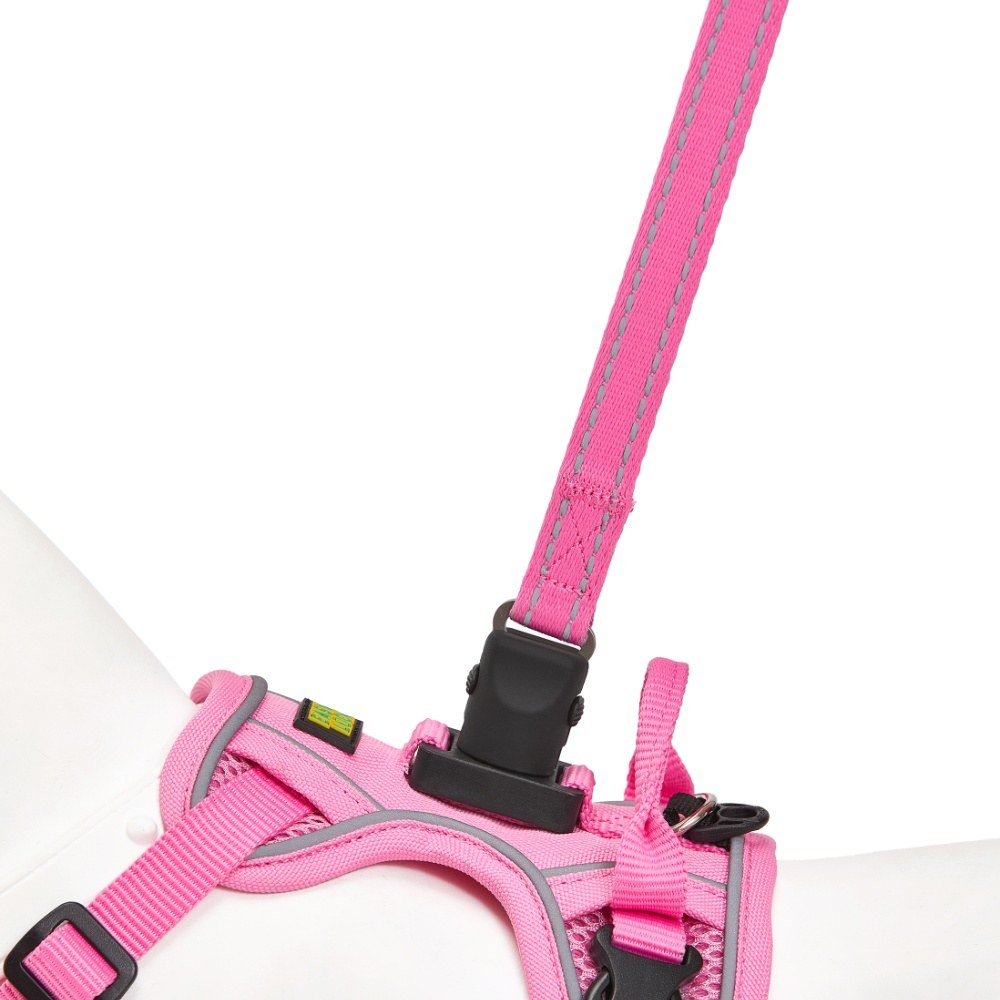
A magnetic harness sells on one promise — faster donning without losing security — and that promise only converts when the channel, the size mix and the price tier match it. Strong product in the wrong channel becomes slow-moving stock. The three decisions have to be made together, before the first order.
A magnetic dog harness wholesale programme works when three things line up: a channel that values convenience, a size mix weighted toward adult dogs, and a price tier able to carry a premium component. Where any one of the three is wrong the product still sells, but it sells slowly and at a discount, which reads as a product failure while being a planning failure. Getting the three aligned is cheaper than fixing a range that has already been bought.
This guide covers the buying decision in sequence: who actually buys the category, the SKU structure that turns, how to position a premium closure without over-claiming, how approval should be run, which after-sales risks are preventable, and how reorder discipline protects the range in season two. It closes with the four-pass reading method for evaluating any wholesale range you are offered.
Who the Magnetic Category Actually Sells To
The purchase motivation is functional rather than decorative, which means demand concentrates in groups with a specific problem to solve. Older owners and owners with reduced grip strength are the core segment, and for them the closure difference is decisive rather than a nice-to-have. Households with several dogs form a second group, because repeated donning through the day turns a few seconds saved into a real difference.
Professional channels — groomers, boarding facilities, training centres and veterinary practices — form the third group and buy in quantity, valuing one-hand operation for staff handling many animals. Premium general retail is the fourth, where the closure supports a quality story and a higher shelf position but competes on design rather than function. A distributor whose base sits mostly in entry-tier general retail will struggle to move a magnetic programme at a premium unless the range is positioned around accessibility rather than technology.
A SKU Structure That Works
The structure that turns most reliably is narrow and deep: two or three colours across a full size run, with one accent colour concentrated in middle sizes. Because the closure is shared across sizes, the incremental SKU cost is webbing and labour rather than hardware tooling, which makes a full size run more affordable than it would be with size-specific hardware. A range built on one platform also simplifies staff training, spare parts and reorders, while a range using several mechanisms multiplies all three.
Keep the size curve weighted toward adult sizes, since magnetic harnesses are bought for dogs already being walked regularly rather than for puppies in a growth phase. If a matched set with a collar is planned, treat it as a separate SKU pair from the start: sets raise basket value but complicate inventory, and retrofitting a set after packaging design is already approved is an expensive way to learn that.
| Channel | Positioning | Size emphasis |
|---|---|---|
| Specialist pet retail | Convenience and accessibility | S to L, full colour range |
| Professional supply | Durability and speed of handling | M to XL, neutral colours |
| E-commerce | Feature comparison in listings | Full run, two core colours |
| Entry general retail | Hard to justify premium | Limit range, test one size set |
Positioning a Premium Component
A magnetic closure costs more to make than a plastic side-release, and the difference has to be justified by a benefit a shopper understands in five seconds. The strongest message is operational: it closes with one hand, it does not pinch, and it self-aligns. Those three claims are demonstrable at shelf and in a listing image, which is why they convert, while a technical message about a fifth-generation system or a patented mechanism only supports credibility after the operational claim has landed.
Avoid positioning the product as a medical or mobility aid. That framing narrows the audience and often reduces appeal for the broader senior-owner segment, which buys lifestyle products rather than assistive ones and resists anything that looks clinical. The safer line is independence rather than assistance: a product that lets an owner keep walking the dog they already have.
Sample and Approval Process
Approval should happen on an assembled harness in final materials, not on a mechanism prototype, because actuation feel changes once the housing sits under strap tension. Request at least three sizes so grading can be assessed, check each at both ends of its adjustment range, then repeat after three wash cycles. A size that only feels right at the midpoint will be returned by the customers at the edges.
Run a loaded actuation check during approval rather than only at goods-in. A closure that resists a deliberate press at rest but demands force under tension will generate complaints even though it passed a static test. Retain the approved sample sealed and compare every subsequent lot against it, because actuation feel drifts before dimensions do, and a hands-on comparison catches what an inspection report cannot.
After-Sales Risk and What Prevents It
Three complaint patterns dominate this category, and each has a production-side prevention rather than a service-side fix. A closure that refuses to close usually traces to strap channel binding or edge deformation after washing, which is prevented by a webbing and housing pairing test rather than a closure redesign. Premature opening usually traces to shallow latch engagement or an actuator that is too exposed, which is prevented by engagement-depth inspection and a recessed actuator specification.
A perceived change in feel between reorders usually traces to hardware batch substitution, and the prevention is a locked part number with lot traceability printed on the packing list. All three are specification items rather than quality accidents, which means all three are cheaper to prevent than to process as returns. A distributor who asks for those three controls at the quotation stage rarely sees these complaints at all.
Reorder Discipline
Keep the closure specification frozen across reorders even when the webbing or palette changes, because mechanism consistency is what protects the product's reputation while colour refreshes protect its shelf life. Ask for lead time by stage and place repeat orders against the binding stage rather than against a general number: for existing colours assembly usually dominates, while for new colours dyeing does.
Track return reasons by category from the first season rather than at the end of the year. That data tells you whether the next order should change the size curve, the packaging or the closure specification, and it converts a subjective argument about product quality into a table both sides can act on.
Reading a Magnetic Dog Harness Wholesale Range Before You Buy
A magnetic dog harness wholesale range should be read in four passes: closure platform, size coverage, colour architecture and packaging format. Confirm first whether one mechanism runs across all sizes or several do, since one platform simplifies training, spares and reorders. Then check measured chest girth ranges rather than size labels, and confirm the range covers the sizes your customers actually buy rather than the sizes that photograph well in a lookbook.
Colour architecture comes third: a coherent palette of two core colours plus one accent is easier to merchandise and easier to reorder without lot mismatch than eight unrelated shades. Packaging comes last, and it carries more weight in this category than shelf space does. A magnetic closure is not self-evident to a shopper who has only used side-release buckles, so the pack has to show the action in one line or one image, and the instruction card has to teach the close in the first week, since repeat purchase depends on the owner mastering the mechanism quickly rather than on build quality alone.
The EASY LOCK Position
EASY LOCK was founded in 2018 on more than 15 years of webbing manufacturing experience and supplies OEM and ODM programmes to customers in 15 countries. Webbing, closure and assembly sit in one facility, so closure consistency across reorders is an internal control rather than a supplier negotiation.
The platform is the fifth-generation EASYLOCK magnetic system: a stainless steel quick-connect with a mechanical latch, single-touch release and 190kg+ pull testing, developed over three years with more than 100 rounds of material testing and protected by national patents including Mag-Clip. The range is listed on the product catalogue, harness construction is on the dog harness page, and matched collar formats sit under dog collars.
Frequently Asked Questions
Q1: Which channel suits a magnetic harness best?
Specialist pet retail and professional supply, where the convenience benefit can be demonstrated and staff can explain it. Entry-tier general retail struggles to justify the premium.
Q2: How should the size curve differ from a standard harness?
Weight it toward adult sizes. The purchase motivation is functional and tied to regular walking, so puppy sizes and extreme small sizes should be carried thinly until the range proves itself.
Q3: What is the biggest risk in a first magnetic order?
Over-ranging. Buying five colours across five sizes spreads inventory across SKUs that will not all turn, and the slow ones finance nothing. Start narrow and deepen the core.
Q4: How can a distributor verify closure consistency on arrival?
Compare actuation feel against the sealed approved sample across units drawn from each carton, and confirm the hardware batch reference appears on the packing list. Any carton whose units sit noticeably harder or softer than the approved sample is worth opening in full, because the cause is usually a magnet batch outside tolerance rather than assembly.
Final Thoughts
A magnetic dog harness wholesale programme converts when the channel values convenience, the size mix matches adult dogs and the positioning explains the benefit operationally rather than technically. Keep the closure specification frozen, retain a sealed sample and track return reasons from season one, and the range becomes repeatable rather than a one-off buy. More on our production approach is on the company page, which is where the discipline behind a magnetic dog harness wholesale range actually starts.
Build the Range Around the Channel
Tell us your channel, customer base and target sizes. We will propose a colour split, a size curve and a positioning angle for the segment.
Plan My Magnetic Range